
Our Blog

How Long Will My Retainer Last?

May 28th, 2024
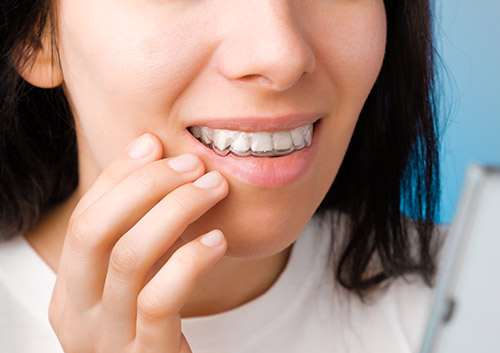
You’ve worked hard for your attractive, healthy smile, and now you’re making sure it stays attractive and healthy by wearing your retainer. Since wearing a retainer is usually a matter of years, not months, it’s natural to wonder just how long you can count on that retainer to help you maintain your smile.

That answer depends on the type of retainer you get at our Frankfort, IL office. A Hawley retainer, a clear retainer, and a fixed wire retainer have different lifespans. Because they each have their own advantages, John Burke will recommend the retainer that’s right for protecting your individual smile.

So let’s look at the average lifespan for different retainers, and, equally important, some of the common mishaps that can shorten that working life.

The Hawley Retainer

This is the retainer most people picture when they think “retainer.” Made of wire securely attached to an acrylic base, the Hawley retainer keeps the teeth in place, and can even be adjusted, if needed, to improve alignment. They generally last anywhere from three to ten years.

How can you make sure your Hawley retainer keeps working for you as long as possible?

  • Keep it in its case. While some damages to these retainers can be repaired, why take a chance? And it’s much harder to lose a retainer if it’s in its case as opposed to, say, a cafeteria napkin.
  • Keep it away from your pet. Dogs, especially, are tempted by the taste and smell of saliva, but there are safer, less expensive chew toys out there.
  • Keep wearing it. Without your retainer, your teeth can shift. Over time, not only will your retainer fail to fit anymore, but you might need to return for further orthodontic treatment. If you notice your retainer is starting to feel uncomfortable, give your orthodontist a call.

The Clear Retainer

Clear retainers look like clear aligners, and, like clear aligners, are almost invisible. Made of vacuum-formed plastic, they’re designed for a close, comfortable fit, often around the entire arch of your teeth. Also like clear aligners, these retainers aren’t made to last forever. If they become loose, warped, or cracked, they should be replaced. With care, they can last from six months to several years. How to protect them?

  • Protect your retainer from damage. Keep it in its case when you’re not wearing it. You’ll avoid losing it, and you’ll avoid damaging it.
  • Protect it from teeth. And we don’t just mean pets, although they find clear retainers yummy, too. If you grind your teeth, your retainer can suffer. Clear retainers are not the same thing as night guards, so talk to your orthodontist for recommendations.
  • Protect it from heat. Hot surfaces like ovens or heaters, hot dashboards, washers and dryers, even very hot drinks can be a problem. (You should only be drinking water while you wear your clear retainer, so that particular issue shouldn’t arise!)

The Fixed Retainer

A fixed retainer is a small piece of wire that is custom-fit and bonded to the back of specific teeth to prevent any movement from occurring. Because it’s bonded to the inside of the teeth, a fixed retainer is completely invisible when you speak or smile. It can last five years, ten years, and in some cases, even longer. Even though you won’t be exposing this retainer to external dangers like hungry pups or the wash-and-rinse cycle, there are still some situations to watch for:

  • Watch your diet. The same sticky, crunchy, or hard foods that can damage brackets and wires can also loosen a fixed retainer.
  • Watch your dental hygiene. While cleaning around a bonded retainer can be a bit challenging, not cleaning around it can result in plaque and tartar buildup—and your retainer might have to be removed to clean your teeth.
  • Watch for changes. If your teeth start to shift, it could mean your retainer has detached from one or more teeth. Ask your dentist to check the retainer’s bond whenever you have a checkup.

So, how long will that retainer last? Depending on the kind of retainer you have, if you don’t keep it in its case, or if you don’t watch your diet, or if you expose it to heat, the answer is—not nearly long enough. John Burke will give you the very best tips to keep your retainer clean, safe, and working for as long as possible. Now, it’s up to you!

Protecting Your Smile with Mouthguards

May 28th, 2024

If you participate in sports or other physical activities, it’s wise to consider getting a mouthguard. Also known as mouth protectors, mouthguards are a device worn over the teeth to lessen the impact of a blow to the face.

This reduces the chance that you might lose teeth or sustain other serious oral injuries. We recommend that all patients involved in a contact sport such as wrestling, football, or hockey wear a mouthguard because of the high risk of such injuries.

However, anyone involved in a physically demanding sport or activity should wear a mouthguard as well.

Can you imagine what it would be like to lose a few of your front teeth? The way you talk, eat, and smile would all change. Potential injuries when you don’t wear a mouthguard include chipped and broken teeth, fractured jaws, root damage, damage to crowns and bridgework, concussions, and/or injury to the lips, cheeks, or gums.

Types of Mouthguards

There are three different types of mouthguards — typically made of a soft plastic material or laminate. You can decide which works best for you in terms of budget, fit, and comfort.

  • Stock mouthguards are prefabricated to a standard size. They offer adequate protection, but you need to make sure you find one that fits properly and comfortably. Stock mouthguards are readily available at department stores, sporting goods stores, and online.
  • Boil-and-bite mouthguards are placed in boiling water to soften them, then into the mouth so they can conform to the shape of the teeth. Boil-and-bite mouthguards are more expensive, but offer a more customized fit than stock ones. You can find these in department stores, pharmacies, sporting goods stores, and online.
  • Custom-made mouthguards are created just for you by John Burke. These offer the best fit and comfort of all the options, but they are also the most expensive. Ask a member of our Frankfort, IL team for more information.

The American Dental Association says a good mouthguard should be easy to clean, fit properly, be comfortable, and resist tearing or damage. It shouldn’t restrict speech or breathing.

Still not sure if you need a mouthguard or which kind is right for you? Ask John Burke or one of our staff members for more information.

How to Properly Store Your Toothbrush

May 27th, 2024

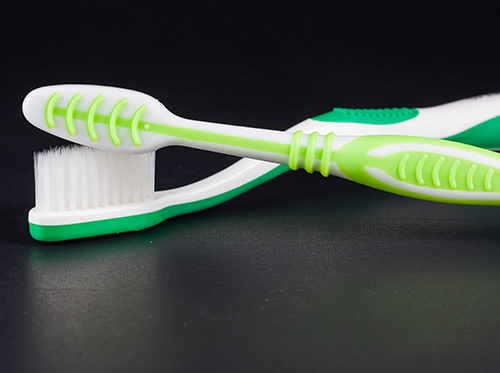
Have you ever thought about how you're cleaning and storing your toothbrush when you're not using it? Did you know that the way you store your toothbrush could have an affect on your oral health? In this post, we'll look at some steps you can take to maximize toothbrush cleanliness and minimize bacteria.

Below are some tips from John Burke for toothbrush use and storage:

  • Don't share your toothbrush – This may seem obvious, but sharing a toothbrush exposes both users to bacteria and microorganisms from the other user, which can increase chances of infection. You should also avoid storing your toothbrush in the same container as other people’s toothbrushes.
  • Thoroughly rinse your toothbrush after each use – Rinsing your toothbrush well under running water will help remove food particles, toothpaste, and other debris from the bristles of your brush.
  • Store your toothbrush in an open-air container not a sealed one – Putting a wet toothbrush in a sealed container creates a favorable environment for microorganisms and bacteria.
  • Soak your toothbrush in an antibacterial mouthwash after use – There is some evidence to suggest that soaking your toothbrush in an antibacterial solution may reduce the amount of bacteria present on the toothbrush.
  • Change your toothbrush every three months – The bristles of your toothbrush become less effective and frayed after repeated use so it's a good idea to replace it on a regular basis. It's also wise to replace it after you've been sick.

There are many simple things you can do to make your oral-care regimen as clean as possible. Use common sense when storing your toothbrush—don't put it in a dirty place like the edge of your sink or in the shower (please, not by the toilet!), and keep it upright in a cool dry place—and you're usually good to go. If your toothbrush is looking a little worse for wear, drop by our Frankfort, IL office and we'll be glad to provide you with a new one!

Keeping It Clean—Better for Your Retainer, Better for Your Oral Health!

May 27th, 2024

Now that you’ve graduated from your braces or aligners, you might think you’re finished with orthodontic cleaning tips. Not quite yet! Your retainer needs love, too—not just because it can look or smell “less than appealing” without your help, but because it’s good for your dental health.

Removable Retainers

If you have a Hawley retainer or a clear retainer, cleaning it whenever you remove it is a great idea. Unappetizing white patches mean plaque or mineral deposits from your saliva have dried and hardened on your retainer’s surface. And if you notice an unpleasant taste or odor, it probably means that germs and bacteria have made themselves at home and are growing in and on your appliance.

You don’t want old plaque or new bacteria in your mouth! Here are some ways to keep your retainer clean and fresh:

  • After wearing it, you can clean your retainer with a toothbrush, but don’t brush too vigorously. You might scratch it. Use a soft or even extra-soft brush to clean out all the nooks and crannies, and then rinse.
  • Use cleaning products which have been recommended by John Burke if your retainer needs a deeper clean. Denture cleaners, retainer cleaners, and even toothpastes can be too abrasive or cause discoloration, so use the products made for your specific retainer.
  • Let your retainer dry before storing it in a dry place after cleaning. Shutting a damp retainer into a closed case provides bacteria with the damp, dark environment they thrive in. (PS—clean your case regularly, too!)
  • One of the benefits of a clear retainer is that it’s almost invisible. And you can help keep it that way by removing it whenever you eat or drink. Your retainer can become stained from colored foods or liquids.

Fixed Retainers

A permanent retainer is a small piece of wire that is custom-fit and bonded to the inside of selected teeth to keep them from shifting. Because food particles and plaque can accumulate around a fixed retainer, brushing after meals and at least twice a day is recommended. Bacteria and plaque cause bad breath, cavities, and tartar buildup, and removing tartar might require removing your retainer.

While a fixed retainer can be tricky to clean, there are techniques and products that make cleaning easier and more effective:

  • An orthodontic toothbrush with a smaller head might reach behind your teeth more comfortably.
  • Don’t forget to floss! Using a floss threader will help you get that wriggly floss behind the retainer and between your teeth.
  • Try a water flosser. These handy devices direct a stream of water right into hard-to-reach places for more thorough cleaning.

If you’re having trouble keeping your retainer clean, our Frankfort, IL orthodontic team can teach you all you need to know about tools and techniques to keep your retainer—and your teeth and gums—healthy. An attractive smile is a great thing. A healthy, attractive smile is even better!

Contact Us!
call email