
Our Blog

Caring for Your Dog’s Teeth

June 20th, 2024

It may come as a surprise to learn that dogs, like humans, have both baby and adult teeth. Most dogs, unlike humans, have all of their adult teeth by the time they are seven months old, so it’s time to start looking after their dental health when they are still puppies.

While dogs generally don’t develop cavities, periodontal disease is the one of the most common diseases affecting dogs. Periodontal disease starts when the bacteria in your pet’s mouth form plaque. The plaque can harden into tartar, and, if plaque and tartar spread under the gum line, can be responsible for a number of serious problems. Veterinarians warn that tooth loss, tissue damage, bone loss and infection can be the result of periodontal disease. Professional dental treatment is important if your dog is suffering from periodontal disease, and your vet can describe the options available to you. But the time to act is before disease develops. Let’s bone up on some preventative care!

Brushing

There are brushes and toothpastes designed especially for your dog. Train your puppy from an early age to open his mouth to allow you to examine his teeth and gums. (This will also come in handy if you ever need to give him medicine.) Most dogs will accept brushing, and toothpastes come in dog-friendly flavors. Human toothpaste should never be used because it contains cleaners and abrasives that should not be swallowed by your pet. There are also dental wipes available that can be used once and thrown away. Your vet can advise you how to ease your pet into a brushing routine.

Gels and Rinses

Whether you rub an antiseptic gel on your dog’s teeth or squirt an antiseptic rinse into his mouth, these formulas can reduce the build-up of plaque. Not all dogs take to the taste of these solutions, but in general they are safe and effective. Ask your vet for recommendations if you would like to try this method.

Diet

Several dietary products offer anti-plaque ingredients or a kibble shape designed to reduce the formation of plaque. Talk to your vet for the best possible diet and nutrition suggestions for your unique pet.

Chew Toys

Chewing can help reduce plaque build-up if done consistently, and chew toys should be chosen for tooth and digestive safety. Some animal-based products and hard plastic toys are so rigid that they can cause damage to teeth or gums, so be sure to look for safe toys.  Dogs shouldn’t be left alone with toys due to choking or swallowing hazards—if the chew toy becomes small enough to cause choking, or your dog is swallowing large chunks that might not be digestible, time to replace it.

Your veterinarian is the best resource for maintaining your dog’s health and developing a dental routine both you and your pet can live with. When your four-legged friend goes for his next check-up, ask your vet what you can do to keep him and his smile fetching for a long, long time.
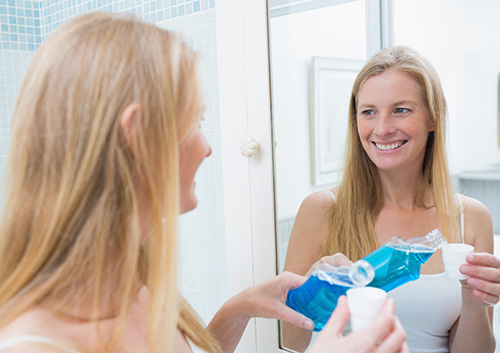

Can I use mouthwash instead of flossing?

June 20th, 2024

While mouthwash goes a long way in improving your oral care, it is not a substitute for flossing. Mouthwashes and flossing provide different benefits that you should understand.

Mouthwash Benefits

Mouthwash comes in two categories. Some are considered cosmetic. This type of rinse provides temporary relief from bad breath and has a pleasant taste. These do not actually kill any bacteria.

Therapeutic mouthwashes provide the healthier benefits. These may contain different ingredients including fluoride or antimicrobial agents. This type is used to remove plaque buildup and reduce the potential for calculus formation. Therapeutic rinses can also help prevent cavities, bad breath, and gingivitis. In addition, John Burke can prescribe special rinses to assist patients after periodontal surgery or other procedures.

Flossing Benefits

Flossing is what removes the plaque formation before it can harden and become calculus. While a rinse reduces buildup, only flossing will fully remove plaque, especially between teeth. The bristles on a toothbrush do not get between teeth completely. If plaque is not removed, it hardens into tartar or calculus. When this builds below the gum line, gum disease can start.

Types of Floss

Floss is available in a thin string form or a tape. It can be waxed or unwaxed. If you find flossing difficult, you might want to try a different type of floss. You can buy bulk floss in containers or purchase the disposable type with a plastic handle attached. This style can be easier for many individuals to use. Interdental picks are available for bridgework or other situations where regular floss cannot be used.

If you have questions regarding the best mouthwash or floss, or need tips for easier flossing, please ask our Frankfort, IL team for advice. We will be glad to give you solutions to help keep your mouth clean and healthy.

Snacks for Healthy Teeth while Watching the Big Game

June 13th, 2024

It's almost game day and you're wondering what to put on the menu for your guests. Most snacks are typically highly processed and unhealthy. Why not mix it up this year and opt for some snacks that promote good oral health? Here are some of John Burke favorites!

  • Apples, carrots, celery, and cucumbers: These foods and other crispy, fibrous, fruits and vegetables are an excellent choice for the big game. Not only are they rich in vitamins and minerals which your body and mouth need, they are also known as detergent foods because of the cleaning effect they have on the teeth and gums. Try apples wedges spread with peanut butter and sprinkled with cinnamon.
  • Beans: Beans are filling because they are packed with fiber and that keeps you from opting for sugary or fatty snacks. Along with fruits and vegetables, beans should be one of the stars of your game-day snack lineup. How about some hearty chickpea hummus with cucumber chips?
  • Nuts like almonds, walnuts, pistachios, and cashews: Nuts abound in the minerals that help keep your teeth and gums strong like calcium, magnesium, and potassium. Put out a bowl of raw or roasted nuts for your guests as a crunchy, satisfying alternative to chips or crackers. Recent research even shows that the polyunsaturated fatty acids in nuts may help prevent gum disease. But remember not to eat the whole bowl! Nuts are very high in calories and a little goes a long way. Enjoy and handful or two along with your other healthy snacks.
  • Dark chocolate: This one may be hard to believe at first, but research shows chocolate can be great for your teeth and help prevent decay! Now don't run off and start stocking your pantry with a bunch of that super sweet stuff, because these benefits come mainly from the tannins, polyphenols, and flavonoids present in the cacao bean. Dark chocolate is the least processed variety of chocolate and the closest to the cacao bean, so make sure you purchase a variety that is listed as 70% cocoa or more for these benefits. Like with nuts, chocolate is easy to overdo — aim to eat two or three squares.

The Effects of Biting Your Nails

June 13th, 2024

Also known as onchophagia, the habit of nail biting is one of the so-called “nervous habits” that can be triggered by stress, excitement, or boredom. Approximately half of all kids between the ages of ten and 18 have been nail biters at one time or another. Experts say that about 30 percent of children and 15 percent of adults are nail biters, however most people stop chewing their nails by the time they turn 30.

Here are four dental and general reasons to stop biting your nails:

1. It’s unsanitary: Your nails harbor bacteria and germs, and are almost twice as dirty as fingers. What’s more, swallowing dirty nails can lead to stomach problems.

2. It wears down your teeth: Gnawing your nails can put added stress on your pearly whites, which can lead to crooked teeth.

3. It can delay your orthodontic treatment: For those of our patients wearing braces, nail biting puts additional pressure on teeth and weakens roots.

4. It can cost you, literally: It has been estimated that up to $4,000 in extra dental bills can build up over a lifetime.

John Burke and our team recommend the following to kick your nail biting habit:

  • Keep your nails trimmed short; you’ll have less of a nail to bite.
  • Coat your nails with a bitter-tasting nail polish.
  • Ask us about obtaining a mouthguard, which can help prevent nail biting.
  • Put a rubber band around your wrist and snap it whenever you get the urge to gnaw on your nails.
  • Think about when and why you chew your nails. Whether you are nervous or just bored, understanding the triggers can help you find a solution and stop the habit.
  • If you can’t stop, behavioral therapy may be an effective option to stop nail biting. Ask John Burke and our team for a recommendation.
Contact Us!
call email