
Our Blog

Pick the right electric toothbrush!

October 30th, 2024
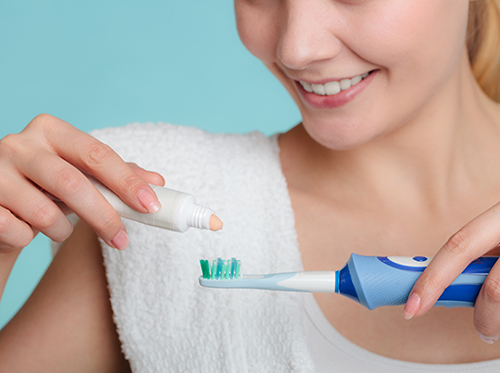
The electronic toothbrush has undergone several technological advances since the 1960s. Everything from design and bristle motions to rotation, oscillation, and sonic vibration has led to dramatic changes in this necessary tool over time.

Rotation oscillation happens when the head of the toothbrush rotates from one direction to the other. The benefit of powered toothbrushes is that they can produce 50,000 strokes per minute, compared to 300 strokes with a manual toothbrush.

When you’re thinking about brush head size, smaller brush heads are best for hard-to-reach areas and small mouths. Brush heads should be replaced every three to six months as needed. A good way to save money is to designate a brush head for each family member which can be taken on and off a shared base motor.

Having a base motor or rechargeable toothbrush can deliver enough power on a full charge for a week of brushing, which makes it convenient for travel or when life gets busy. Some toothbrushes include audible signals that let you know when to switch the area of your mouth you’re brushing or when a full two minutes has gone by.

Do you have sensitive teeth? Studies have indicated that people tend to apply more pressure on their teeth when they use a manual toothbrush. This makes an electric toothbrush a preferable option if you’re having issues with sensitive teeth or gums.

There are even electric models with pressure sensors that will stop the brush from spinning when you press too hard against your teeth!

Everyone can benefit from having an electric toothbrush. A large handle size can be taken into consideration if a member of the household is young, or has a physical disability or arthritis. They’re even recommended for children in order to maintain good oral hygiene from a young age.

Biofilm is a term used for plaque or debris that builds up in your mouth. If not properly addressed, this can cause serious bacterial infections to your gums and teeth. If you want to remove biofilm in the most efficient way, an automatic toothbrush is the way to go.

When you're ready to make your decision, make sure to consult with John Burke at our Frankfort, IL office to decide which electric toothbrush is right for you!
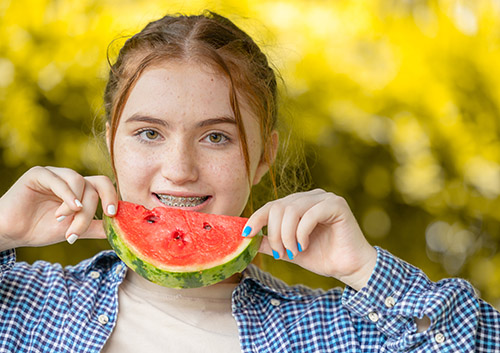

Witch Halloween Treats Are Trickiest for Your Teeth and Braces?

October 30th, 2024

It’s that time of year again—Halloween! Carving pumpkins. Creating costumes. And, of course, collecting candy.

But some of the candies in that collection aren’t much of a treat for your teeth. When you’re deciding on the perfect pieces to choose from the candy cauldron, here are some tricks to identify the ones that can be more frightful than delightful for your tooth enamel and braces:   

  • Is It Chewy or Sticky?

Any sticky or chewy candy—caramels, taffy, licorice, gummy anythings—is candy that also sticks to your teeth. And it really sticks in between your teeth, where it’s harder to brush away.

The problem? Bacteria in plaque love sugar, and sticky candies provide them with hours of sugary feasting. Bacteria use this sugar to make acids, and acids cause weak spots in tooth enamel. These weak spots will get bigger over time as the bacteria keep on attacking your enamel, and that’s how you can end up with a cavity. Less sugar which spends less time on your teeth = fewer cavities!

And there’s another good reason to pass up chewy treats if you wear braces. Candy can get stuck under your brackets and wires, or be sticky enough to pull a bracket right off a tooth.

  • Is It Sour?

Sour candies get that intense, lip-puckering taste because they’re so acidic. What’s wrong with acids? Just like the acids made by bacteria, acids in food attack our tooth enamel, too.

Sour candies are hard on your teeth all by themselves. When you eat a candy that’s both sour (acidic) and gummy (sticky), all coated in sugar, that’s triple trouble!

  • Is It Hard or Crunchy?

Some kids like hard candies like lollipops and fruity drops because they last a long time. But that’s the problem. All that time a hard candy rolls around in your mouth is time spent bathing your teeth with sugar.

Thinking of shortening your sugar exposure by chewing hard candies? Also a bad idea! Crunching into a piece of hard candy can chip or crack a tooth and even damage fillings.

Crunchy treats can be hard on braces, too. Peanut brittle, nutty candy bars, candy apples, popcorn balls, or any hard or crunchy candy can damage your brackets and wires when you bite down.

Luckily, there are healthier trick-or-treating choices if you know what to look for. 

  • Soft Candies and Chocolates

A chocolate bar, a peanut butter cup, mint patties, and other soft candies won’t stick around on your teeth the same way chewy or hard candies do. No sour acids, either. And because dark chocolate has less sugar than lighter chocolates, it’s an even healthier choice.

Bonus: They’re easy to bite and chew when you wear braces!

  • Sugar-Free Gum

This treat is not only sugarless, but chewing it helps us make more saliva. Saliva washes away sugary food particles and helps neutralize the acids in the mouth. If you wear braces, check with John Burke to see if sugar-free gum is safe for your brackets and wires.

No need to skip the trick-or-treating this year. Occasional sugary or acidic treats can be balanced out with daily brushing and flossing, a healthy diet, and regular visits to your dentist for exams and cleanings. When you do enjoy a treat that’s sugary or acidic, there are tricks to help you keep your smile healthy and cavity-free.

  • Eat a treat or two with your meals instead of snacking through the day. You won’t be exposing your teeth to sugar for hours at a time, which means bacteria and acids won’t be haunting your enamel all day long.
  • Drink water. If you eat your candy with an acidic soda, you’re getting sugar + sugar + acids. That’s a scary recipe when it comes to healthy teeth! Water helps wash away sugar and acids—and, if you have fluoridated water in your community, you’ll be getting a bit of fluoride to strengthen your enamel, too.
  • Halloween is no time to ghost your toothbrush and floss. Be extra careful to brush and clean between your teeth after eating sweets. Wearing braces? Don’t forget to clean around your brackets and wires. Using aligners? Be sure to brush well after you eat something sugary before you replace them.

If you’re wearing braces this Halloween season, it’s important to avoid all the sticky, hard, and crunchy treats to keep your braces and your treatment schedule intact.

Any questions? Talk to John Burke at our Frankfort, IL office to learn the best ways to keep your smile looking boo-tiful all year long!

Oral Piercing: What you should know

October 23rd, 2024

If you have been thinking about getting a piercing, or if you already have one or more, there are some health risks our team at Burke Orthodontics wants you to know about. It's important to know the risks involved with oral piercing, including infection, chipped teeth, gum damage, nerve damage, loss of taste, or tooth loss that could occur as a result.

Your mouth contains millions of bacteria, and infection is a common complication of oral piercing. Many people who have piercings tend to regularly touch them, paving the way for bacteria to enter piercing sites. Also, food particles that collect around piercing sites can lead to infection.

Besides hindering your ability to talk and eat, oral piercing also leads people to develop a habit of biting or playing with their piercings, which can lead to cracked or fractured teeth. While the fracture can be confined to the enamel of the tooth and require a simple filling, you also run the risk of the fracture going deep into the tooth, which may require a root canal, tooth extraction, and additional dental treatment.

If you still decide to get an oral piercing, you should realize that it will take some time to heal (anywhere between four to six weeks) and it may be very uncomfortable. Also please keep in mind that it will be an added responsibility to your life, as it will require regular upkeep. We want you to make sure that you’re committed to the task of taking care of it for the full healing period and beyond.

We encourage you to clean the piercing with antiseptic mouthwash after eating, and brush the jewelry each time you brush your teeth. If you have any questions, please don't hesitate to give us a call!

Going Beyond Braces

October 23rd, 2024

At Burke Orthodontics, we aren’t just concerned with straightening your teeth and giving you the beautiful smile you’ve always wanted. We are also committed improving the oral health and the well-being of all our patients. John Burke and our team strive to serve our patients by educating them about their treatments, as well as making them feel as comfortable as possible during their initial consultations up until the day they complete their treatments.

Making our patients more comfortable with taking care of their braces in between visits increases the likelihood that they will complete their treatments successfully. We want you to know that if you should ever have any questions about your orthodontic treatment, whether it’s during your adjustment appointment or after hours, we are always here for you and your family.

Please do not hesitate to give us a call at our Frankfort, IL office or ask us any questions you may have on our Facebook page! We can’t wait to hear from you!

Contact Us!
call email